
Patterns: Nature vs Human Behaviour.
I’ve been contemplating the concept of “patterns” and how it influences our behaviour. I thought about the relationship between natural patterns we see in nature, in comparison to human behavioural patterns. Although we as humans mirror nature in many ways, it is not always true in reality; let me explain… In nature we find natural patterns- patterns that are beautiful, mesmerizing, harmonious and expansive. They are adaptable and even when they are disrupted, they recalibrate and move back into a state of equilibrium… This looks quite differently humans. We often develop patterns as coping mechanisms. See, as humans when we experience a threat to our safety, we come from a place of survival, conditioning and/or fear and develop ways to protect ourselves, to keep ourselves safe. We often hold onto certain behaviours or thought patterns, believing they keep us safe, even if that’s not true. Unlike nature, we can become ‘stuck’ in these behaviours due to ego, conditioning, insecurity, or cultural narratives. We resist change, because change means to be in the unknown and ooooh my goodness, do we dislike the unknown… It’s probably THE most uncomfortable place to be. The unknown doesn’t feel ‘safe’. We tend to choose familiar behaviours because they’re predictable and comfortable, even if they really aren’t beneficial. It actually limits our growth.
So why am I sharing this? I am sharing this because, it is an invitation for us all to become aware of our own personal patterns. Once we recognize our personal patterns—whether it’s people pleasing, procrastination, or avoiding conflict—we can begin the work to change them… (if you want to off course). Changing our personal patterns is not only a gift to ourselves, but also a gift to our child(ren). Because what we model, also shapes your child(ren). When we practice changing patterns that stunt our growth, we show our child that (1) change, even though it is hard, is OK and (2) As we begin to change and grow, our interactions with our children shift as well, influencing their development in new, more expansive ways.
To give you an example, say you have developed the pattern of reacting defensively. With some reflection and introspection, you’ve become aware of this pattern, and you want to change it, since you’ve noticed it escalates conflict. You start doing the work of changing this pattern: Over time (yes it does take a lot of practice), instead of reacting defensively, you pause, listen and make some changes in the way in which you communicate. Later, you notice that you can communicate more effectively with significant others. Your nervous system feels calmer, and you become aware that often conflict doesn’t escalate to the extent it used to. It is not as simple as this I know, but you get the gist.
Can you see how changing your patterns can improve both your relationship (criticizing yourself less for being so reactive) with yourself and with others? By responding differently, you also teach your children healthier ways to communicate and connect.
So, next time when you find yourself thinking, “Why does this keep happening?” try asking, “What within me is contributing to this?”
With curiosity, these questions can help you reflect on your behaviour and become more aware of your patterns… All change starts with awareness
With Care,
Dr Bianke Van Rooyen
Emotions are Neither Good or Bad
When it comes to emotions, what if I pose the statement, that no emotion is intrinsically bad… What difference would it make, if we could reframe our perceptions and experience of emotions into just being ‘emotions’; neither good nor bad? It just is… Yes, some emotions feel very strong/ has quite the charge to it and it can feel uncomfortable, but it doesn’t necessarily make it bad.
So, I’ve explored this concept of ‘Good vs Bad’ emotions with some of the students I engage with… Most of the time they would confirm the current status quo- that there are ‘good feelings’ and there are ‘bad feelings.’ We would then continue to list these emotions within their respective category; afterwards, I would ask them why they categorised it in that way. What I have noticed then, is that most of the time, they would speak about the reaction to the feeling rather than the feeling itself… In other words, how I react when I experience the emotion could be potentially bad/harmful. You see, if we really delve deeper, we come to realise that it is not the emotion (aka the sensations in the body) itself that causes suffering, but rather it is the thoughts, ‘the story’ that we attach to the emotion as well as the particular response that could be harmful to oneself and/or others….
When I point this out to students, it seems like there is a little light bulb that gets switched on. Accordingly, when I provide an example of where something like “anger” can also potentially be ‘good’, then I can see, they are beginning to understand this more.
The reason why this is important is, because if we can practice (and it does require multiple efforts as well as patience) relating to our emotions differently (as neither good nor bad), our ability to be with ‘what is’, becomes a bit easier. Being present with strong or uncomfortable emotions reduces our tendency to repress them which off course, is a major win for one’s mental health.
So, the next time you feel a particular strong emotion, practice being with it, be aware of the thoughts/ the story that is attached to the emotion and see if you can allow yourself to just be present in your body with what you are feeling, without judgement or criticism. Only with compassion. Accordingly, when you notice a strong emotion in your child, see if you can practice just being with them in that emotion- without the desire or the impulse to want to change it, to fix it, to make it better… Just be with them and allow them to feel what they need to feel.
Just Breathe
When I am session with students and we discuss breathing as way to feel calmer, the conversation would often go like this:
Me: Have you tried breathing exercises?
Student: Yes, I have tried breathing, but it doesn’t work” (especially from our high schoolers).
Me: Okay, show me how you breathe (tongue in cheek)
Student: What do you mean Ma’am, I am breathing right now, you can see how I am breathing”
Me: “Yes, I can see you are breathing, but how you are breathing right now is not going to necessarily calm your body, so show me how you would breathe when you want to feel more relaxed.”
Student: I usually take deep breaths and count to 10…or maybe a bit longer.
Me: Okay, well show me…
After some hesitation and strange looks, they finally demonstrate. What I then often see, is that the student is not breathing in a conducive way to stimulate the vagal nerve (nerve that is responsible for sending messages to relax). Yes, there is a correct way to breathe… We think that when we say “take a deep breath” is good advice, but there is a fine line… Taking a deep breath activates the chest and neck muscles, triggers the sympathetic (fight or flight) system, strains neck muscles and increases heart rate instead of slowing it down. This is what I notice when I observe children breathe.
When you want to support your child to regulate their nervous system (i.e. calm their body and mind), encourage slow inhalations from the belly and longer exhalations through the nose, into the lower ribs and abdomen. Longer exhalations relaxes the diaphragm (probably the most important organ in breathing) and stimulates the Vagus nerve. In turn, the heart slows down and the muscles relaxes, making your body feel calmer. To make this more practical, here are two breathing techniques you can try with your child:
- Box/square breathing: 4 seconds slow inhale, 4 seconds hold, 4 seconds exhale, 4 seconds hold (repeat for 2-5 minutes).
- 4-7-8 Breath: Inhale 4 counts, hold for 7 counts and exhale for 8 seconds. You can adjust the seconds, ensuring the exhale is longest. (Repeat for 2-5 minutes).
Try to make one of these breathing techniques part of your child’s (and your own) daily routine. Especially during more stressful times, such as the exams that are coming up. This will help to build your child’s resilience, not only during exams, but also in general.
I hope you found this useful! All the best with exam preparation and remember…To Just Breathe
Cultural Outing – Faustus in Africa
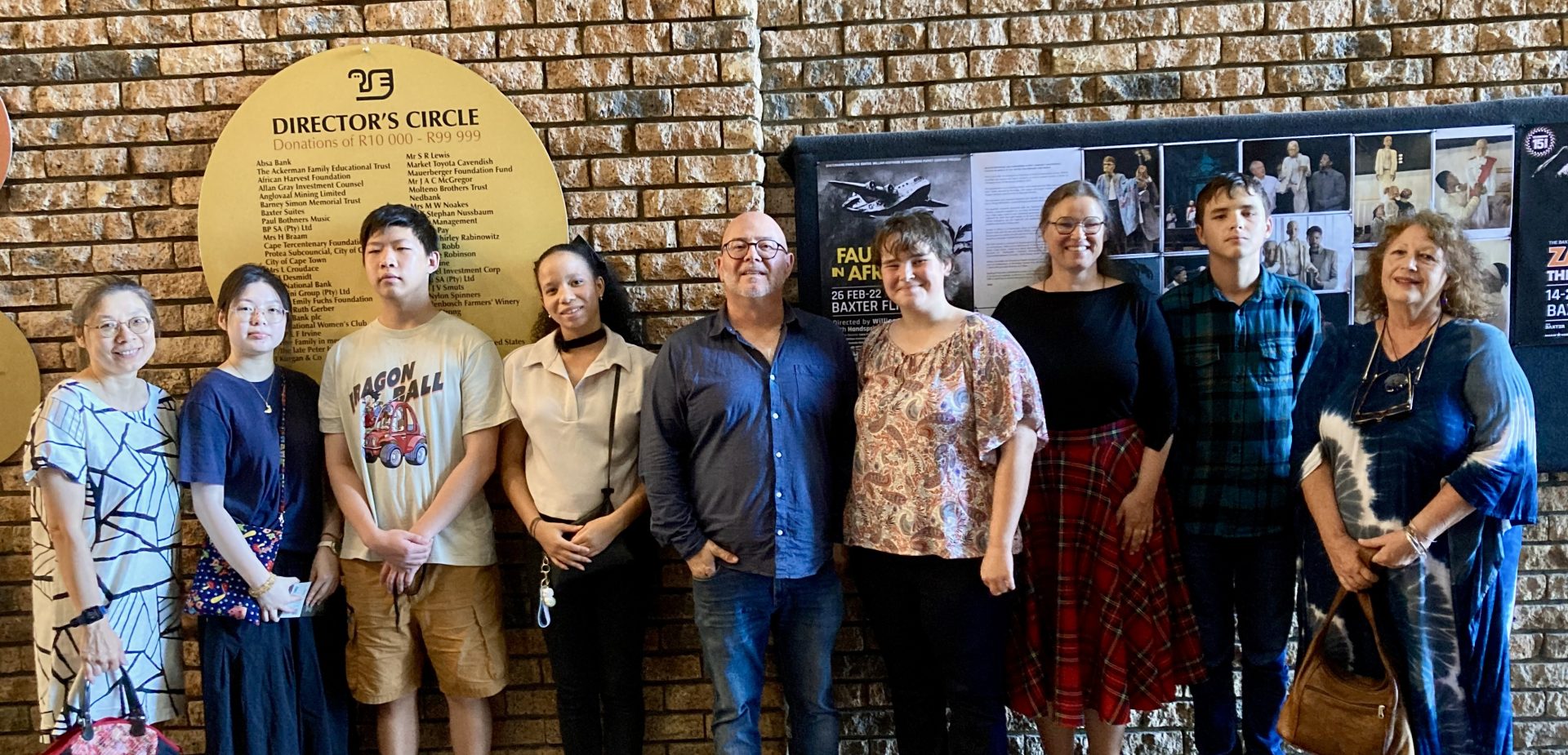
Our Senior Art & Design students, siblings and parents were excited to attend the show Faustus in Africa at the Baxter Theatre in Cape Town recently. We were particularly keen on seeing Kentridge’s work, having viewed his earlier works, More Sweetly Play the Dance (2017), a multi-channel video installation, at the inaugural exhibition, All things being equal … (2017-19), with his major exhibition, Why Should I Hesitate: Putting Drawings to Work (2019) at the Zeitz MOCAA Museum in Cape Town and the Handspring Puppets Company’s impressive show, War Horse, at the Artscape (2014/5).
Faustus in Africa is a groundbreaking theatrical production that reimagines the classic Doctor Faustus legend in the context of colonial Africa. Directed by Mark Dornford-May and produced by Dimpho Di Kopane in collaboration with the Handspring Puppet Company, the play combines Goethe’s Faust with the history of European imperialism and exploitation in Africa.
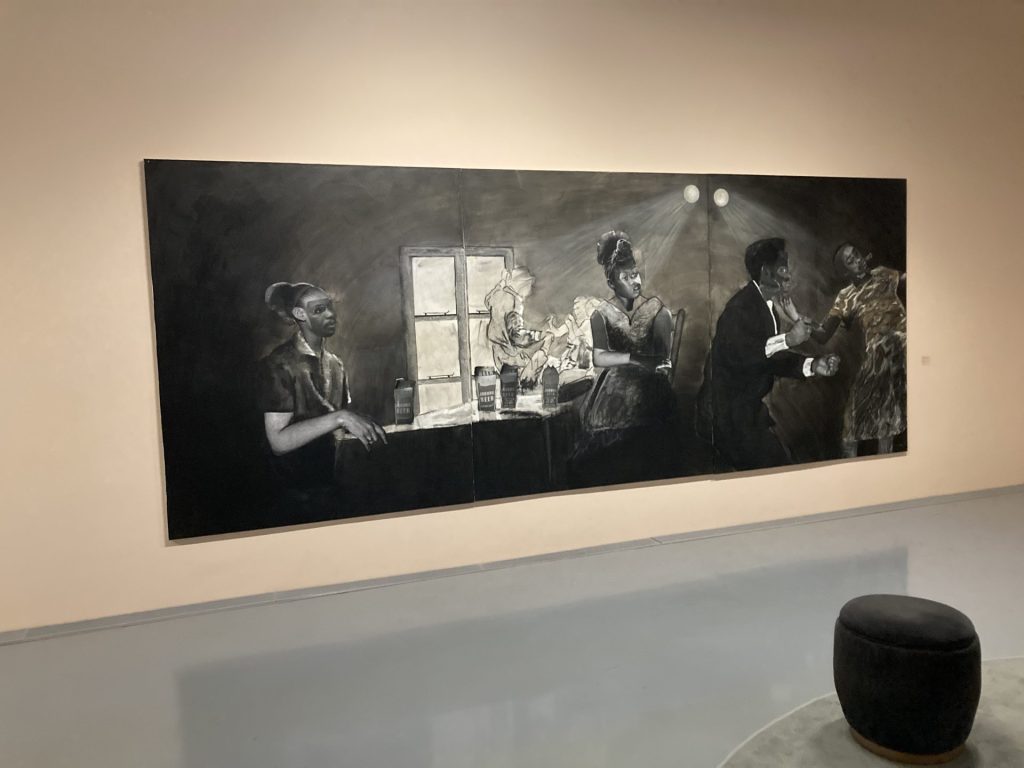
The production is visually striking, with artwork and animations by renowned South African artist William Kentridge. His bold, monochromatic drawings and projected animations create an evocative and layered backdrop that reflects the themes of greed, power, and moral compromise. Kentridge’s work explores the tensions between colonial history and contemporary identity, lending the play a distinctly African perspective.Handspring Puppet Company, known for their intricate and expressive puppetry, brings to life characters and allegorical figures, blending human performers with large-scale puppets to create a dynamic and immersive theatrical experience. Their work underscores the tensions between humanity and inhumanity, a central theme of the narrative.
Faustus in Africa critiques the legacy of colonialism through its layered storytelling, innovative visuals, and poignant exploration of moral questions.
One of our parents, Dr Uljana Hess comments “Thank you so very much for this wonderful experience. It was a visual feast and provided fuel for thoughts I have not had the opportunity to consider for a while now.”
“I really enjoyed the charcoal backdrops. I liked how it was erased and drawn over to make a moving image. These drawings were done by William Kentridge, a South African artist I have been researching for my AS coursework. His work both evoked and conveyed strong emotions like grief and sadness, as well as joy and gladness. The charcoal created dramatic shadows which perfectly matched the atmosphere for the storyline of Faustus in Africa.” – Arella America
“I enjoyed the sketches projected onto the back board during the performance, the movement and how the erasing still left bits of charcoal behind and visible. The puppets also look interesting. The puppeteers were able to make the movement look extremely convincing and realistic, though the puppeteers were visible it didn’t take away from the experience of immersion too much.” – Antony Chen
Lynda Leibbrandt, Art Teacher

Year 7 Poetry
Over the last two weeks our Year 7’s have been learning about poetry. They have learned about the various different types of poems, they have explored the poetry techniques that are used when writing a poem, and they have had the opportunity to write their own poems. The following poems are just a few of the wonderful poetry pieces that were presented. I hope you enjoy the journey’s you go on with these beautiful poems.
Lost Deep in the Amazon by Yann Whalley
I was on my way to explore the Amazon rainforest.
A quiet, untouched place where no one else roams,
The nearest town, a distance of 40 kilometres away.
I arrived by plane, the landing smooth and swift
But the weight of jet lag still lingered in my bones.
Tired from the journey, I caught a taxi to my the motel
Where I will be staying till the next morning.
I woke up ready to embrace whatever the day might hold.
My guide, José, and I set off that morning, excitement in the air,
Into the Amazon Jungle we went with great care.
José, led the way, his steps on point,
Navigating paths through the dense trees .
The day went on, the jungle closed tight,
Shadows swallowed the sun, turning day into night.
We searched for food, but the jungle was bare
Only a hint of scare in the air.
Intense darkness fell, mist rising high,
Our path disappeared, we can’t get by.
“We need to rest,” José whispered low,
“Too dangerous now to go’’
We set up camp, fear creeping in,
The jungle is alive with sounds that terrify.
A sudden noise made me spin,
The guide clutched his leg and let out a cry.
A snake had struck, its venom now spread,
My guide was pale, barely lifting his head.
Desperate, I knew we had to move fast,
To find a way out, his life was fading fast.
With the morning’s first light, we stumbled ahead,
Following a river, my hope felt dead.
At last, we found a village.
The people rushed forward, calm restored in the air.
They treated the my friend, saving his life,
Though lost in the wild, yet a way we made.
Our journey would be a memory that would fade.
Competition at night, Choir in the morning. By Shanna-Rose Jenkinson.
The sun was unexpectedly stumbling,
His last bit of light seemed to be crumbling.
As he slowly set, the forests insects arose,
Although, threats against them were blatantly exposed.
Around about the same time,
Their air-born neighbours diligently instituted their nightly labours.
At times, this could get quite violent,
As possible prey were forced to hide, and remain deathly silent.
Whichever bird gathered the most,
Would be antagonised, with no time to boast.
The birds will not sweetly harmonise, like you hear in movies, instead
Harshly fight for necessary supplies.
They’re not the mightiest creatures,
But when it’s a fight for survival, they’ll gain the strongest features.
When the night fades away,
They all put on their peaceful facade,
And join together, like a tight knit squad.
The tension between the species,
Turns into redemption.
And they all combine,
To give the forest a peaceful impression.
They do this to seem tamer.*
And hide the intense rivalries of the birds of nature.
Mrs Carin Howcroft, Year 7 Teacher
Read More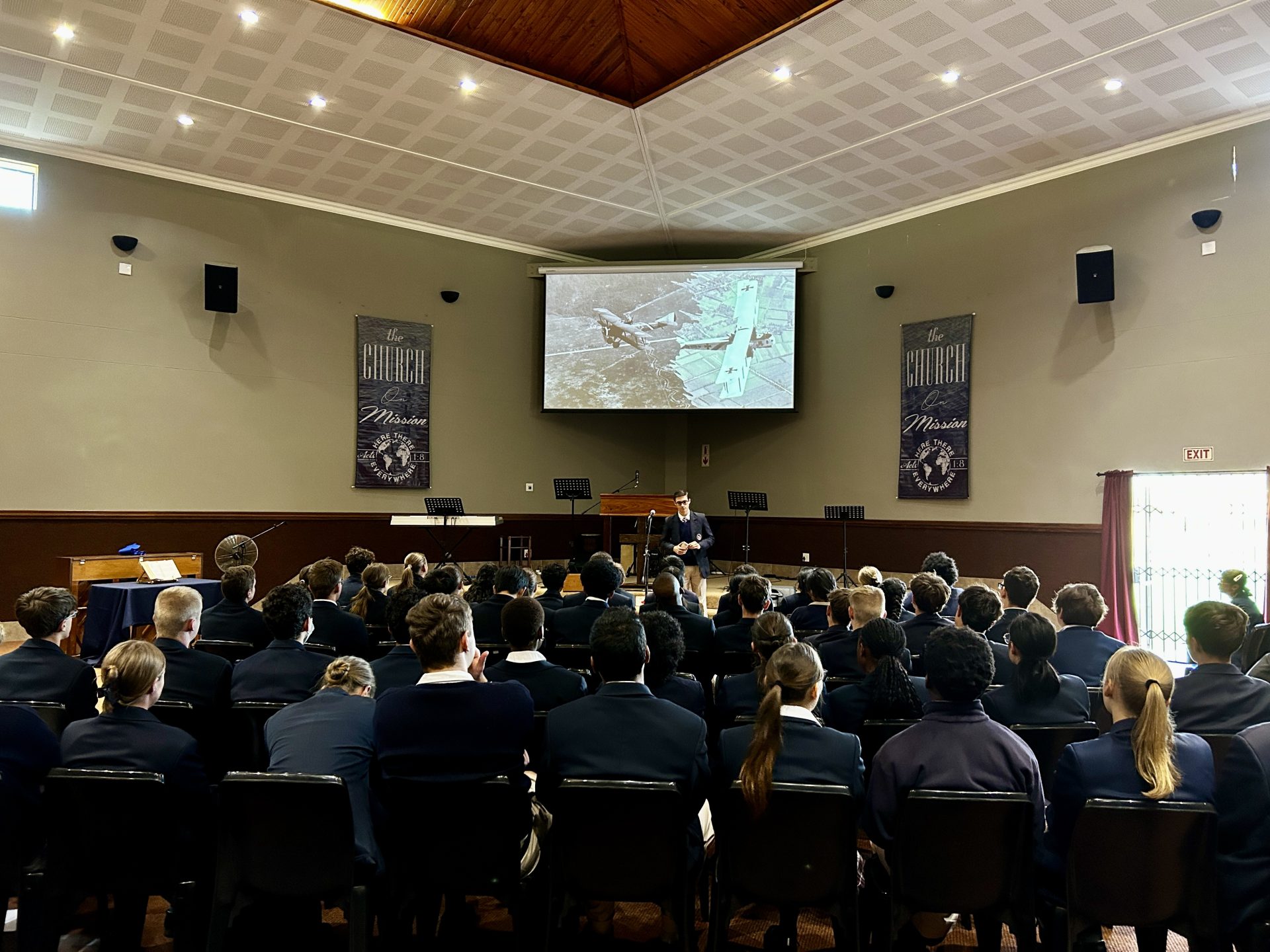
All about Honour
Our final High School assembly for term 2 was a team effort with “Honour” being the topic of the day. Mrs Faria introduced the topic by stating that the concept of honour needs to be re-instilled in the minds of many and that there are different kinds of honour and different people in our lives we need to honour.
For example we honour our parents, husbands and wives honour each other, we honour people who have done admirable things, we honour the elderly, we honour those ones that are placed above us, our leaders and those ones that are placed there to help us in our path of life, like our teachers, coaches or mentors.
Mrs Faria displayed some synonyms to relate the idea more clearly to the students and words like “hold in great respect, hold in high esteem, have a high regard for, appreciate, value, prize, reverence and worship” aided in explaining the concept.
Mrs Martin shared from her wealth of knowledge of the ancient chivalry code of conduct which dates back to the Moors and gave interesting facts on how many nations, and in fact our civilisation at large, were founded on this deep sense of honour and respect between a man and a woman.
Year 12 student, and SRC secretary, Connor Schoeman, added to this with his talk about how in the olden days, and even today in the US, soldiers were honoured for their bravery, and the code of honour which they adhere to, and that even the enemy, although coming to fight you, is to be honoured as another human being. He concluded by encouraging the students to honour one another, even if they did not like each other, but based on the fact that we are all living human beings.
Jethro Bezuidenhout in Year 10 and Miss Erasmus both told us of ways in which one can honour our parents. Jethro said he tries to be mindful that after a long day’s work, his parents might be tired too, and how easy it is just to lend a helping hand in making dinner or something that needs to be done. Miss Erasmus mentioned that now she is not living with her parents anymore, a way to honour them is to consciously make time to spend with them to show them that she values and loves them.
Miss Caldeira shared how students can honour their teachers simply by remembering that it is a two-way collaboration, where you have to work together and that open communication between students and teachers is a simple yet effective way to honour each other and keep the relationship healthy.
Having sat in the principal’s seat herself, Ms Black, gave students and teachers, valuable and unique insight of her experience as a Principal and this added to the concept of honouring leaders.
Mrs Faria concluded by explaining from the heart, how teachers also honour students by being committed to the job, being there every day, by planning and structuring their lessons specifically to suit everyone’s needs and trying to use different ways, methods and teaching styles to make sure everyone understands and accommodate the students and often going the extra mile and caring for them.
Finally a word of honour and a warm round of applause was given to Mr Hartman, our High School coordinator, and direct leader, as a token of our gratitude and appreciation for his hard and excellent work and dedication to managing the High School, amidst running a full timetable and for displaying understanding and kindness.
Mrs Jolene Faria, Travel & Tourism
Primary School Camp
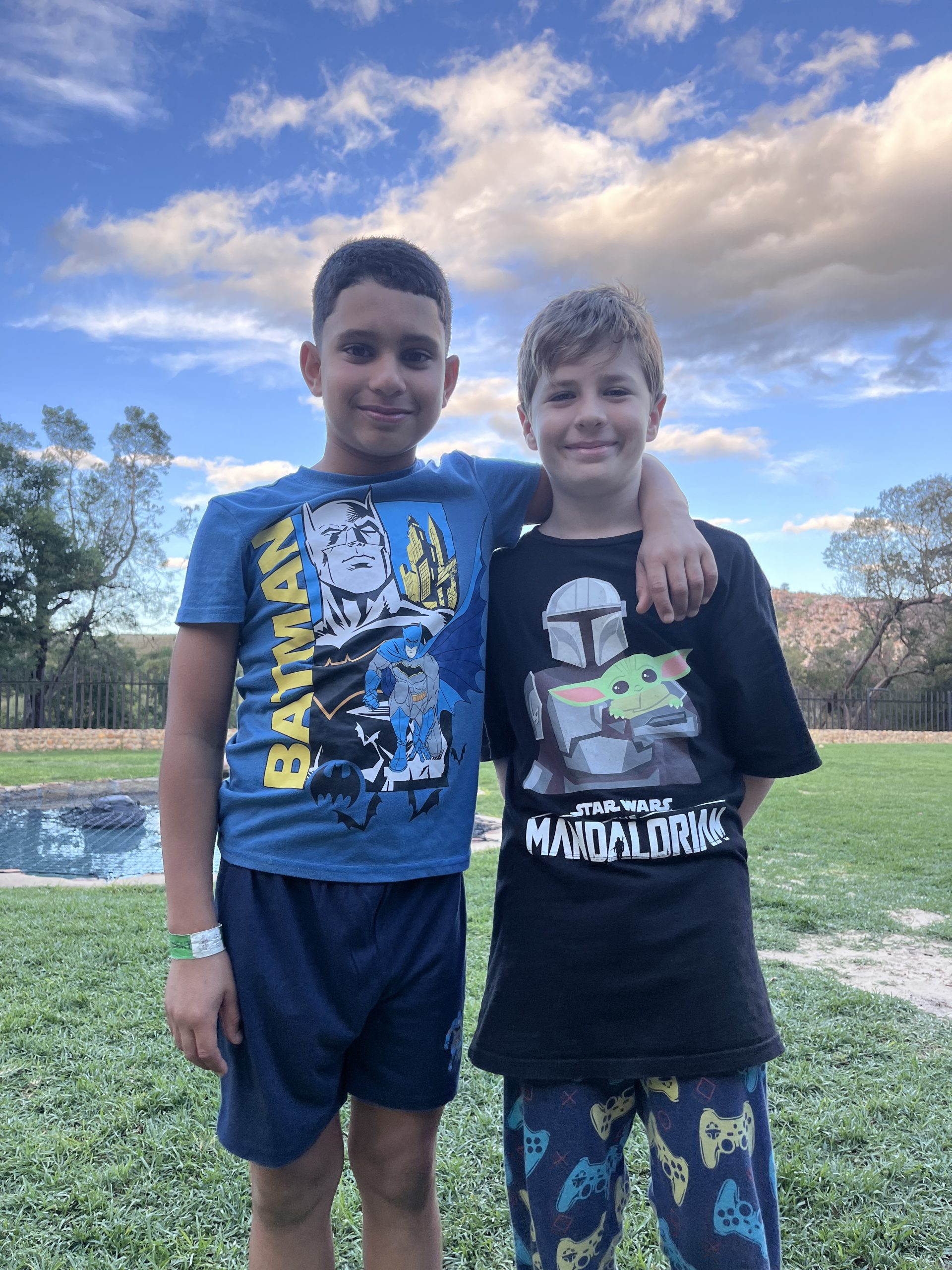
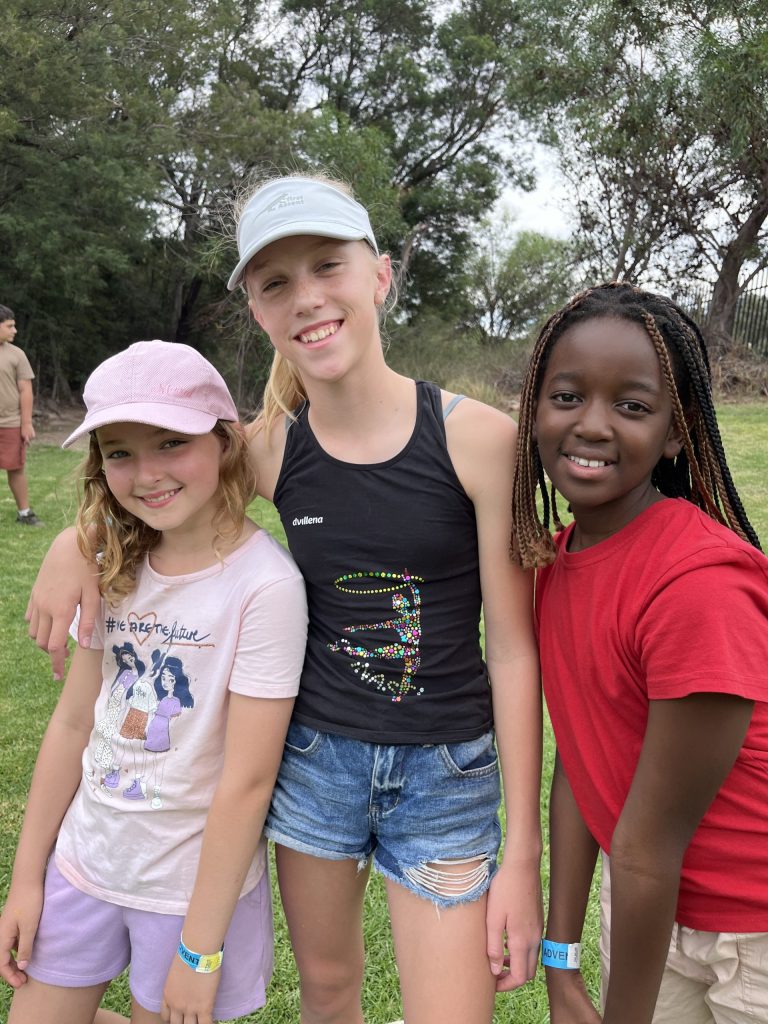
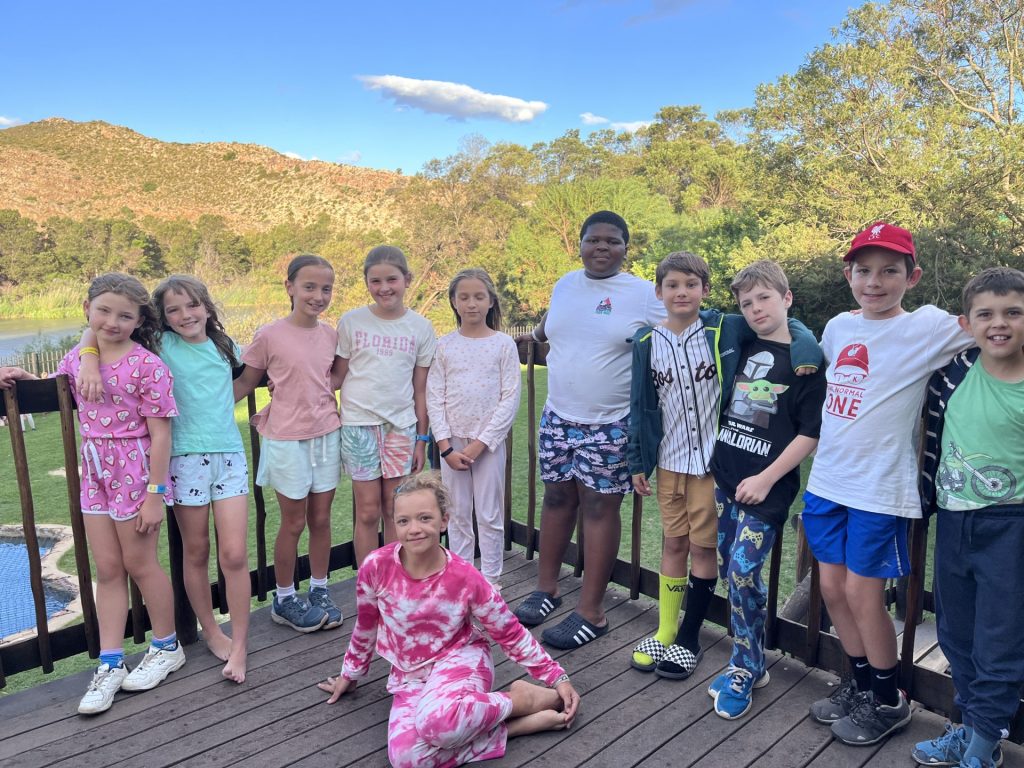
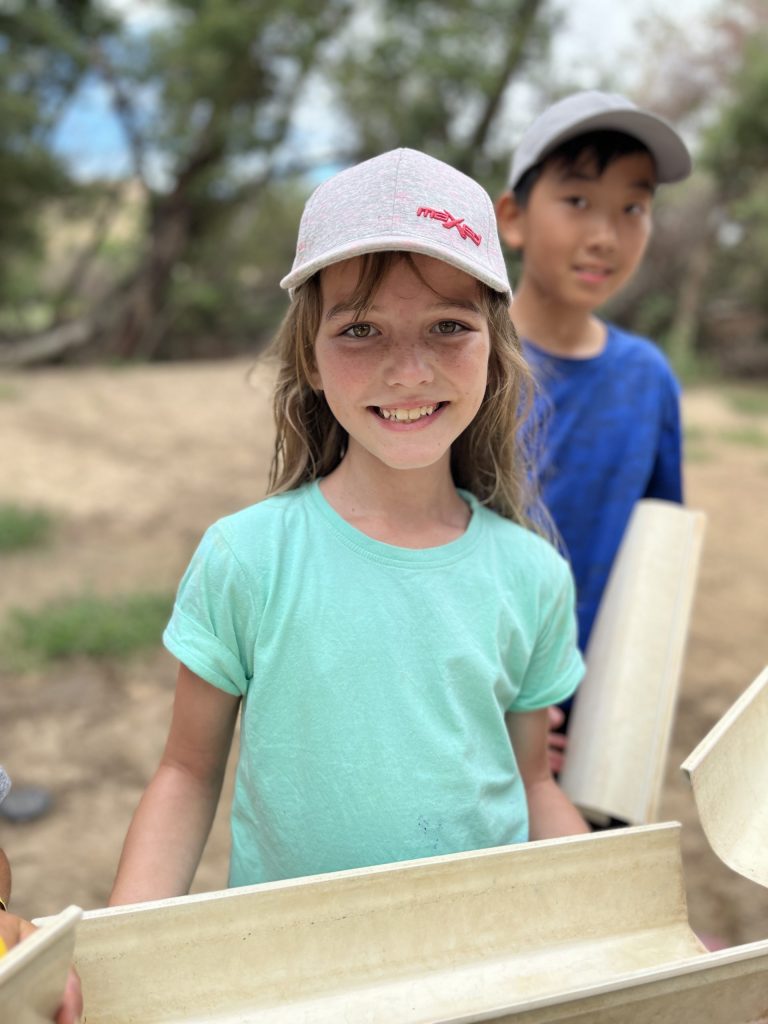
This year marked an unforgettable adventure for our Year 4 – 7 students as they embarked on an exhilarating camp to Bonamanzi Adventures Camp. Set against the backdrop of boundless horizons, the camp promised an abundance of fun and learning opportunities, leaving an indelible mark on every participant.
The essence of the camp experience lay in the diverse array of activities awaiting our eager adventurers. From the adrenaline rush of river rafting to the intricate art of shelter-building and the excitement of hiking at night. Students found themselves immersed in a world where challenges beckoned and resilience blossomed.
Central to the camp’s ethos was the spirit of teamwork, a guiding principle that infused every endeavor with synergy and purpose. United by a common goal, students collaborated in crafting their distinctive flags, symbolising the collective spirit that fueled their journey. Through shared efforts and mutual support, bonds were forged, fostering a sense of camaraderie that transcended individual achievements.
Words form some of the students are a testament to the time they spent together.
“Lots of fun” – Jessica
“Loved the river rafting lots of fun.” – Mari
“ Exciting” – Mlibo
“Enjoyable and learnt a lot” – Gillian
“Amazing” – Yann
“Loved the river rafting! Had lots of laughter.” – Maggie
As the echoes of laughter fade and the memories linger, the legacy of Bonamanzi Adventures Camp endures—a testament to the transformative power of adventure, community and the unwavering spirit of youth. In the heart of every participant, the camp lives on as a beacon of possibility, reminding us that within every challenge lies an opportunity and within every child, an incredible potential waiting to be unleashed.
Outing to the Zeitz MOCAA
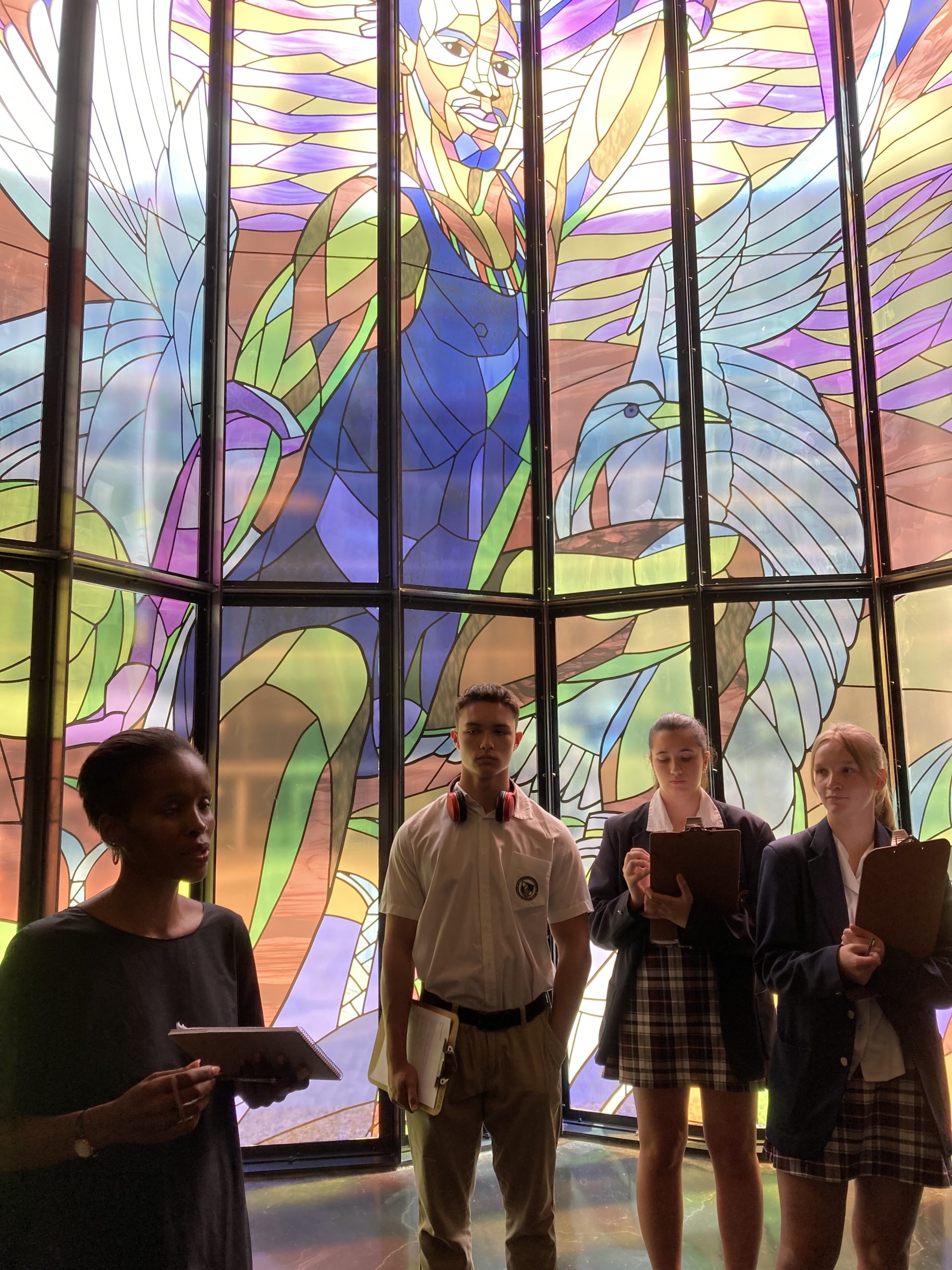
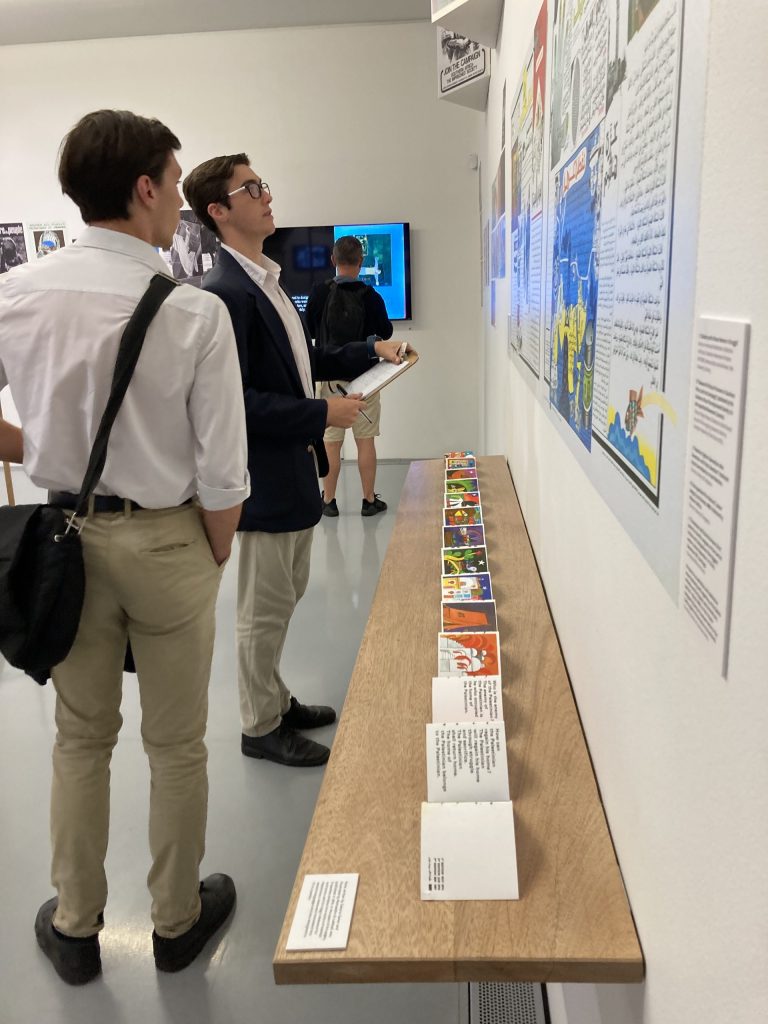
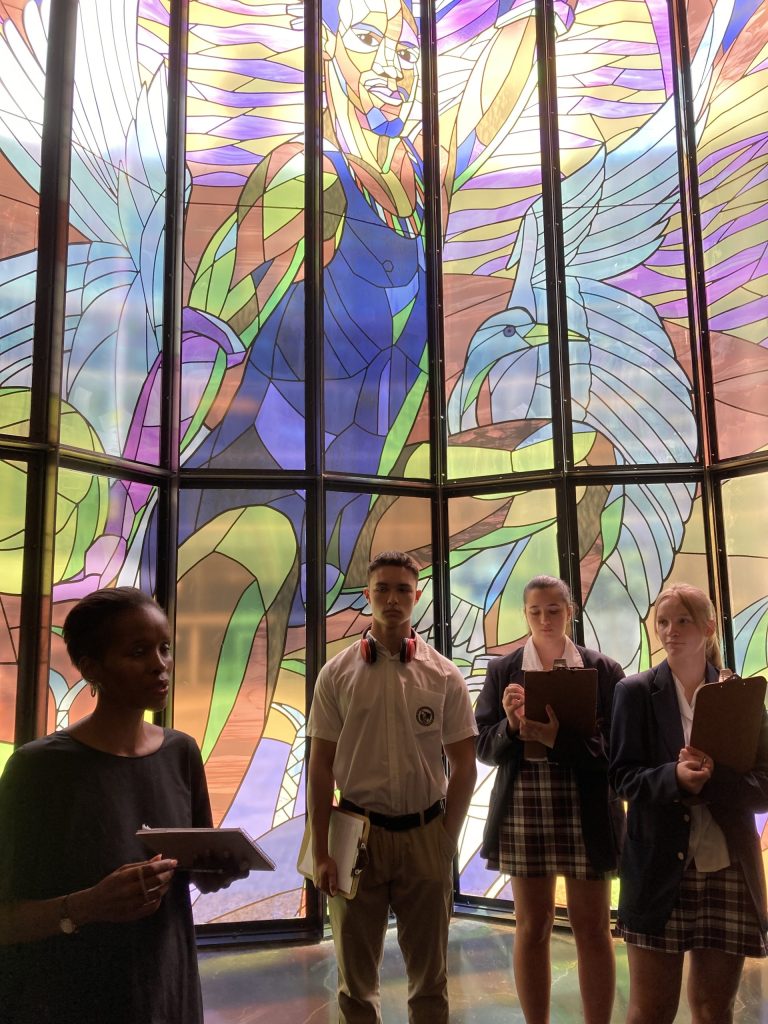
Museum Educator, Mandisa Ngqulan, led us on an informative walkabout through the numerous floors of exhibits and touched on the details of the design and function of the museum, background to the numerous artists and their work, as well as the incredible number of specialists required to coordinate an exhibition, which roughly takes up to five years of preliminary planning.
The sheer range and variety of art and design on exhibit proved to be vast, if not overwhelming to take in, in one short visit.
Here are some of the comments made by the students:
Eye-catching art filled with culture and history. I loved seeing more artworks that were actually done by artists that are still alive. Each room felt like going into a different dimension or world completely designed by the artist down to the bright lights and floors. You feel almost obligated to stay forever and admire. Sibo, Year 12
What I enjoyed the most about the visit to the Zeitz MOCAA, was the building itself. It attracted me the first minute that I walked in. Gloria, Year 12
There was a lot to look at but I really loved the colouring on the windows with the sun reflection on it, reflecting the colours on the floor – that looked really nice. I also enjoyed looking at the photography. All the art pieces were very well done and inspiring. I loved how each artist perceived their art in their own way whether it was videos, photos, sculptures and paintings. Isabell, Year 12
Overall, the exhibition was well set out and each section had some good pieces. My personal favourite was the Seers, Seekers, Soothsayers exhibition. All of the work was beautifully done and rather captivating. Yanika, Year 12
The exhibition was quite inspirational, it highlighted how young people are gaining recognition for their work and it encouraged me to find an identity in my art. Art has always been a form of emotional expression, you see the emotions behind each artwork, the symbolism of every aspect. I can’t pinpoint which one I liked most because each one had its own uniqueness about it. The Zeitz MOCAA is definitely a must see museum. The experience was worthwhile in educating me on the different mediums used to convey meaning in art. Imitha, Year 11
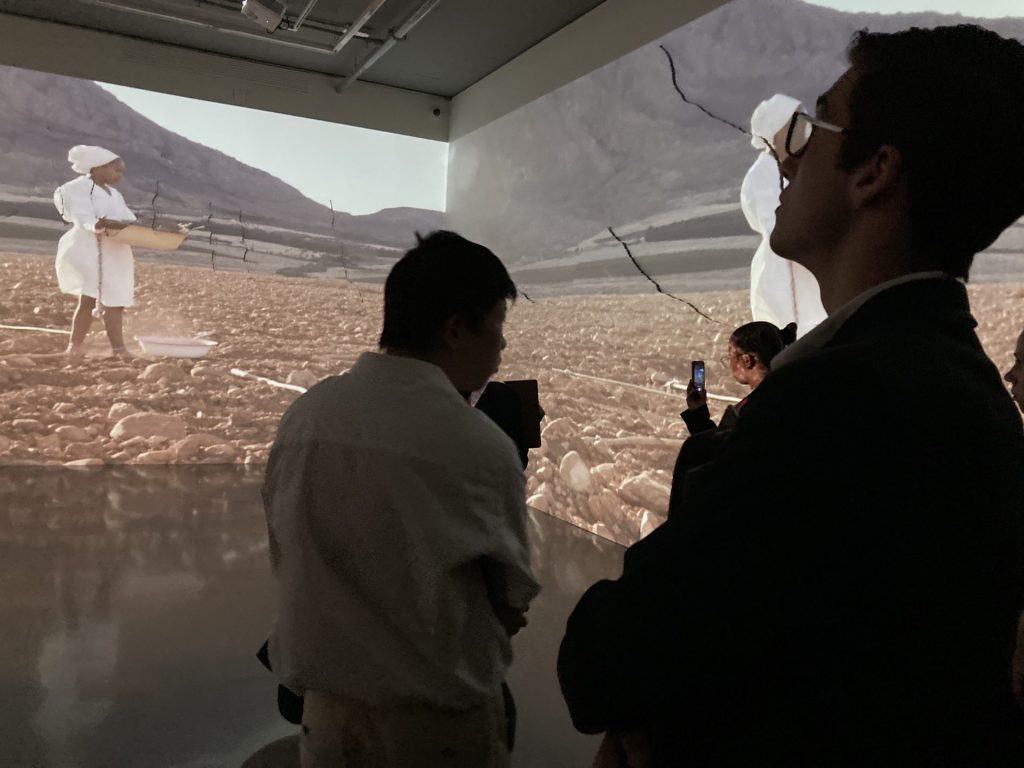
Going to the Zeits MOCAA was an amazing experience. I was exposed to many beautiful artworks. I really enjoyed the room in the Mame-Diarra Niang’s Self As A Forgotten Monument. It was a visual and audio work. The motion and audio captivated me and almost put me in a sort of trance. All it was, was a moving human figure dancing on the floor with abstract shapes also being projected. I was inspired by how the artist was able to change me emotionally with a simple video clip and a choice of audio. Arella, Year 11
Although most of the artworks at the museum did not fit my theme as inspiration I did enjoy the blurry portraits of people and loved the cinematography in one of the rooms where towards the end of the short film it became quite creepy but I enjoy those sorts of things (very abstract). Overall I think the exhibition was a good experience. Ben, Year 11
Although I didn’t find most of the art to be something I personally liked, I enjoyed the experience and would likely go again once new exhibitions come in. Chloë, Year 9
It was very interesting to see all the different uses of mediums by other artists. I particularly liked a large oil painting with a mix of different mediums including photography. Antony, Year 9
Mrs Lynda Leibbrandt, Senoir Art & Design Teacher
Helderberg International School 2023 Gratitude Journal
1 December 2023
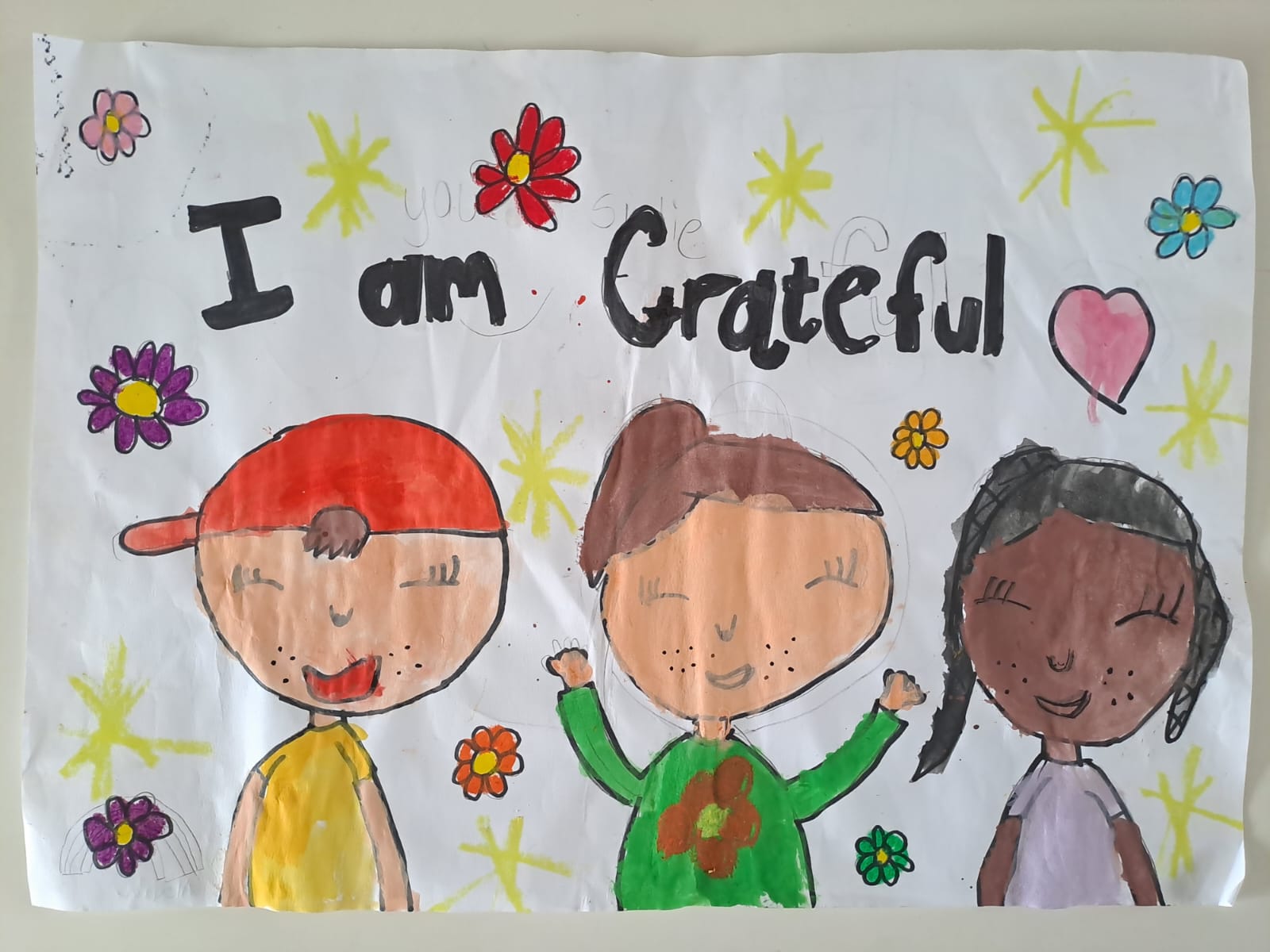
As the end of yet another brim-full school year approaches, we would do well to look back and reflect on the year of 2023. There is much for which to be grateful.
Personally, I am thankful to have the privilege and honour of working with an amazing team of people, every single one an essential link in the woven net that carries the important cargo of our future. When I think of my colleagues, I cannot but help to be awestruck by the incredible strength hidden beneath the selfless, caring heart of the school staff. Additionally, I am incredibly grateful for a supportive parent body, and for the equally selfless parents who can be relied upon to help to take the ordinary school day to extraordinary levels throughout the year.
I am grateful that each day is filled with laughter, wonder, precious smiles, and ‘joie de vivre’ at all that life has to offer. What a privilege it is to experience life through the eyes of children every day!
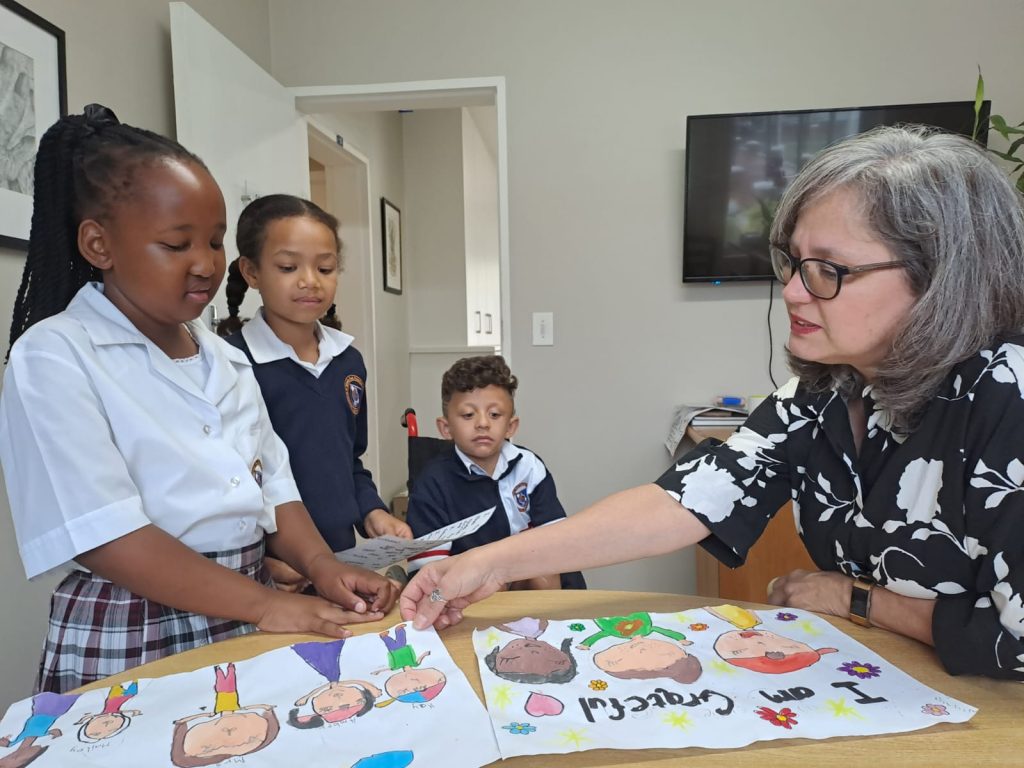
With the thought of gratitude and appreciation in mind and heart, this week I set off to see what the rest of the school community had to say. Read what some of our students and teachers had to say below. It was a heart-warming exercise and is highly recommended as a family activity.
Warm regards
Cris Sanchez Black
Principal
Gratitude thoughts from our students and teachers
I am thankful for having a nice teacher. – Eun Ho, Year 6
I am grateful for grace and intention at the school. – Lisa, Year 10
Lots of new people have joined the school. And the aircon. – Rabia, Year 7
Getting a good education. – Nini, Year 6
Outings to Intaka Island and the local library. – Bjorn, Year 7
All the teachers and friends. – Holly, Year 3
My teacher. – Giorgia, Year 1 (A sentiment echoed by many)
My teachers and my principal and being a flag raiser. -Blessing, Year 6
Maths. – Lipathe, Year 3 (Not widely recognised as a blessing)
Playing with my friends in the new playground. – Hannah, Year 2
The friends I have made along the way – high school friends are very different to primary school friends. And the wellness day. – Jemma, Year 8
My teacher who understands everyone. – Ava S., Year 6
Miss Fraser, new friends, the Peter Pan production, being a bell ringer. Caleb, Year 6
Writing sentences. – Munrow, Year 2
The friends I’ve made. I’m grateful to be moving on to Year 9. – Karabo, Year 8
A lot! Nice teachers, nice environment, playing with friends… – Cole, Year 6
Friends, teachers and to be in the school. The education here. – Mlibo, Year 4
Teachers help you get past your boundaries and don’t leave you behind. – Yann, Year 6
Camp. – Jessica, Year 4
Camp and my test marks. – Abigail, Year 4
From the first day, friends were kind and generous. – Bethany, Year 4
The freedom to be able to take breaks. – Lily, Year 7
Revision material. – Nina, Year 7
For generosity and hard work. – Miss Ashley Fraser
Being out on break duty, looking at the mountains and trees and enjoying the children swinging. – Miss Terena van Zyl
The visit from head office and the teamwork observed in preparation. – Mrs Jolene Faria
That we are all trying to be kinder; for children growing in kindness. – Mrs Lara Jelbert
I was really grateful on Friday to spend the time at Spier with the staff and students. I think everyone had such a lovely day. Just to have a day to breathe. – Mrs Nicci Geyer
I am thankful for the community we have at school. I am thankful for the challenges that have allowed ongoing growth and for all the fun moments we have had in class. I am thankful for all the passion I saw on the soccer field and netball court and the perseverance. I am thankful for the courage our musical students have shown and for their beautiful performances. Lastly, I’m thankful for all the extra activities I could be part of- the leadership camp, wellness days and so on. – Miss Andreia Caldeira
I’m thankful that I have the opportunity to teach at a small school with a big heart, serving to inspire and educate young minds, contributing to their growth and playing a crucial role in shaping their future, helping them to realise their potential and dreams, also appreciating the support from my caring colleagues in making a positive impact and the diverse learning experiences this role provides. – Mrs Lynda Leibbrandt
What I’m grateful for at school is for my colleagues and our team. I have made great friendships here and I have never had a day we’re I feel I don’t want to be here because of the people. I find my support here at school. I’m grateful that I get to know my students at a deeper level and establish a relationship with them, something that is not possible in bigger schools. – Mrs Mariana Quintero
It would be being able to understand myself and unlocking my work ethic. – Joe, Year 11
I am grateful for the chances and times I spent hanging out with friends that I know I may never see again after they leave. Though we have communication, stuff just happens. – Levi, Year 9
I’m grateful for the fact that I was able to grow and learn from many different situations, doesn’t matter if the situation was good or bad, a lesson was always learnt. – Olivia, Year 11
I’m grateful of how my parents are investing so much money into my education. I’m also grateful of my 2 close friends who’ve accepted me with open arms in their friend group and have made me comfortable around them without having to hide my big personality. – Esi, Year 8
When I look back on the year, the one thing I’m most grateful for is my parents, given all they have done for me. – Gadijah, Year 8
Looking back at the past year with my school at HIS I have so much to be grateful for. I’m greatful for the family that Is my school, that comes together to work as a team to create a fun and academic environment, as well as teachers who are willing to give students individual assistance in work which negates the feeling of just being a number, as I have felt In larger public schools. And I can’t forget about my amazing piers whom which have become my family and some of my closest friends. – Connor B, Year 11
I am incredibly grateful for every single opportunity that I’ve had to grow and improve. Sometimes it was an opportunity I really wanted, and sometimes it was an obstacle that I had to overcome. Either way, I’ve come out the other side stronger! – Connor S, Year 11
Something I am grateful for this year is, firstly to be the house representative of 2023. It was a big honor working alongside and helping out Mrs. Schell and working with my classmates to plan and create fun sports days. Another thing I’m grateful for is my teachers that helped me to get the good marks I got for my IG’s. I was definitely not able to do so well without their guidance and teachings. – Jaco, Year 11
Gratitude, I am grateful for the privilege I have to be able to go to school that works to help me succeed in life. I’m grateful for the many friends I acquired this year who have been a support system through the rough times. Most of all, I’m grateful for the people who believe in me, my aspirations and my abilities. – Imitha, Year 10
I am grateful for so many things this year! Even during the lows I’ve had things to be grateful for. I am so grateful for my teachers who have so much passion for their job and care for their students. They have really supported me and have been there for me during a really difficult time of my life. I’m also extremely grateful to my family and that we’ve been able to bless so many people this year; that I’ve been able to reconnect with old friends and that i was given the opportunity to help with children at an international conference. I have so much love for people especially children so that was such a blessing! – Tyler, Year 11
I am grateful for the fact that I can be in a privileged School which provides me with excellent academics and opportunities. Expect for the high quality standards in acedemics , my school ensures you as a student get valued for your character and whom you are as a person. – Althea, Year 10
This year I am grateful to the school for giving me opportunities to play the piano for others. Also for the teacher’s guidance in helping me to do my best and for my friends who make me laugh! – Andrew, Year 9
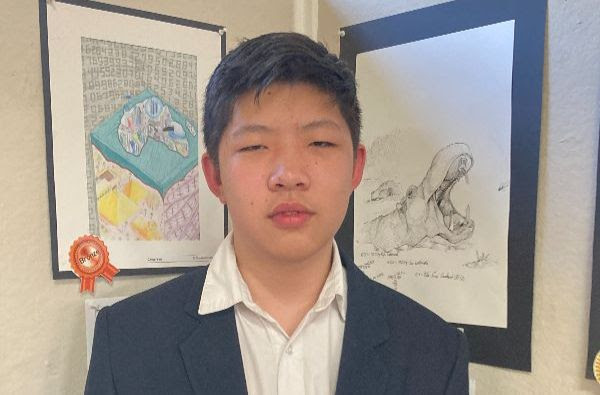
GMMDC National MathArt Competition
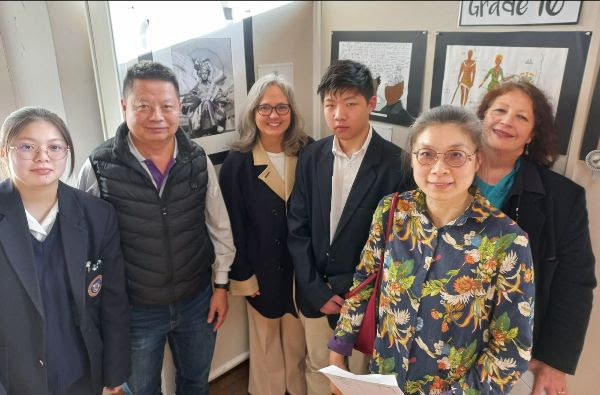
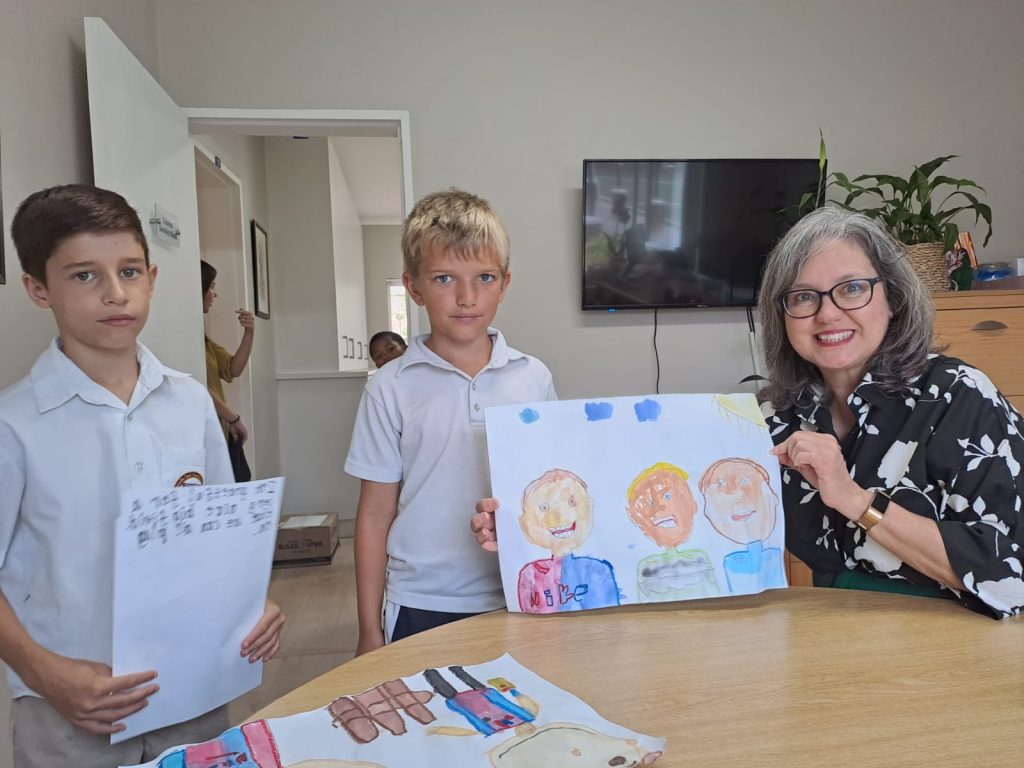
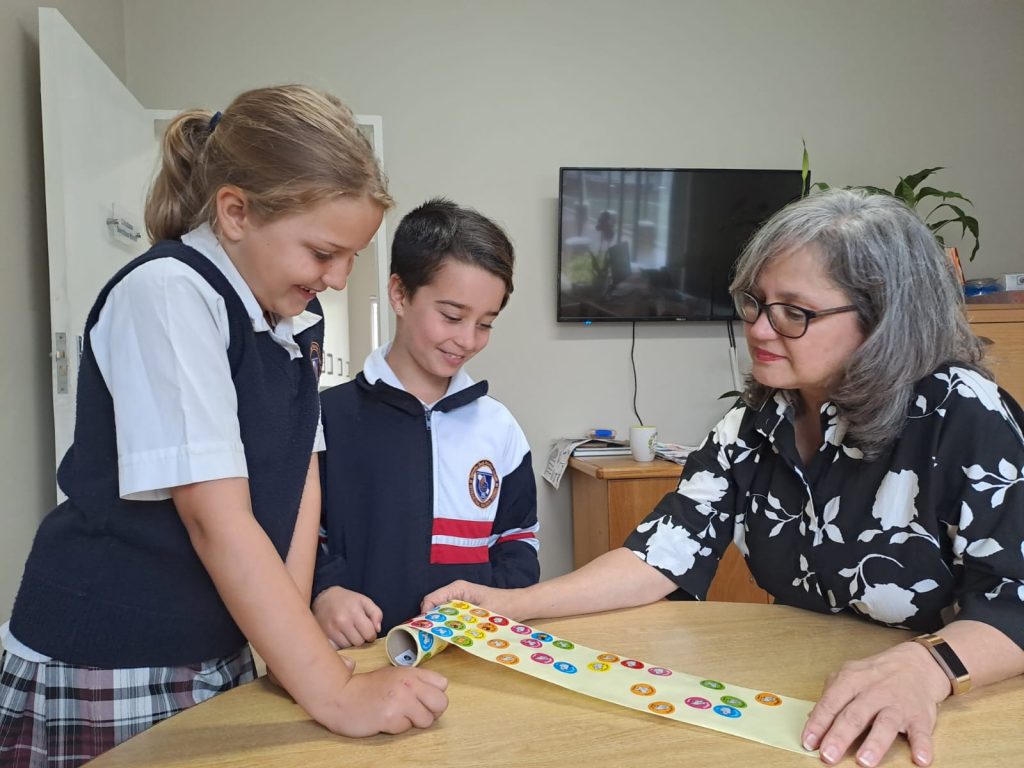
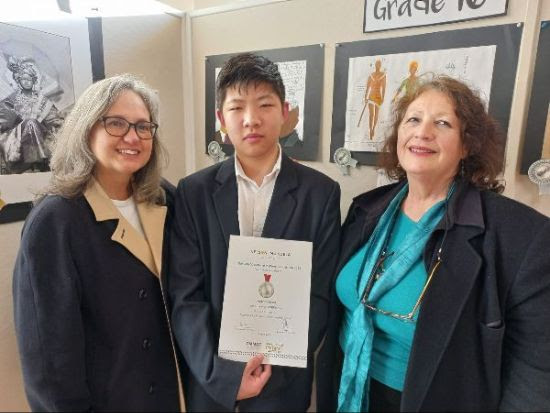
The ceremony was held in Stellenbosch at the beautiful, historical PJ Olivier Art Centre on Monday 4 September and parents, family, school Heads and their teachers joined in celebrating the achievements, followed by refreshments and snacks. Teachers were presented with colourful MathArt mugs showcasing selected learner entries from 2018-2021.
The competition is a unique to South Africa STEAM initiative aimed to promote innovation and creative problem-solving skills among learners nationwide. This years theme featured: “Mathematics in Africa: past present future” The GMMDC National MathArt Competition challenged entrants to create an original handmade artwork that connects Mathematics to an annual theme in a visual and innovative way.
The learners were presented with the challenge of interpreting this equation:

This creative problem-solving task aims to develop skills that are considered essential for job seekers in the Fourth Industrial Revolution (4IR); thus empowering and preparing young South Africans for their future.
Entrants are given an opportunity to share, in their own words, more about their mathematical and creative processes by answering three questions which are an important component of their competition entry.
In its fourth year, this National MathArt Competition forms part of the Govan Mbeki Mathematics Development Centre’s broader strategy to advance STEAM education in teaching and learning in South Africa.
Please use the link to view a video of the all gold, silver and bronze awards: https://youtu.be/Ru305Nq6ptM
Learners submitted a photograph of their artwork, and their answers to three questions online earlier this year in March and April.
After a preliminary selection process, entries were judged for mathematical integrity by an online panel of mathematics judges. Where the maths was evident, correct and integrated with the work, entries proceeded through to a second round of online judging by a diverse and interdisciplinary team of experts for consideration of the work as a whole.
The top submissions were declared semi-finalists of the competition, and the physical artworks were requested to be couriered to us in Gqeberha where they were judged by a final judging team.
The GMMDC were extremely encouraged by the level of entries they received as a whole to this year’s competition, and would like to invite learners and educators to continue to partner with them in future to approach Mathematics education from this unique perspective, including art as part of STEAM education. There are plans afoot to exhibit some of the artwork in Finland later this year.
Mrs Lynda Leibbrandt – Snr Art & Design / GMMDC